Passage is a series of photographs made at the English church in Menton, France, at Easter 2003. St. John’s Anglican church is a busy community hub for English speakers and others in the last town on the French Riviera before the Italian border.
2026
From the series Passage
From the series Passage
The interiors in this series hold untold stories. The mundane objects and unremarkable details are witness to routine, repetition and ritual; and black & white imagery focuses unfamiliar forms. These images were made with a medium format film camera in which the viewfinder, a waist-level screen that reverses the view, helps to abstract and isolate these forms, their nature only truly being understood when printed in a darkroom. Through the intense experience of photographing with this cumbersome and awkward equipment together with the process of developing and printing the images, these stories are eventually revealed.
My mother was a regular at the church and she was good friends with Beatrice, and the then treasurer, Bill Butcher. We would pop in for a drink in the shade of the trees outside the entrance, sitting on the big blue table to chat with the volunteers and library members. My son was little at the time and was always warmly welcomed. I made the photographs in an afternoon. I think the church possibly used one of the colour images, I processed and made little work prints when I got home and then forgot about them.
I first came to Menton with my parents in 1971 when I was 9. Bill and Pat Butcher were members of the Aston Martin Owners Club in the UK, which is where we first met them in 1968, having moved from the United States to London. They were very “English” and lived in a beautiful cottage in Bedfordshire with a large garden. They were older than my parents and they didn’t have children of their own. They were very kind—Pat was slightly scary but she had a deep, resounding laugh. Bill raced his Aston, and my Dad, also racing, often met up at Silverstone or Brands Hatch. Bill and Pat had a holiday flat in Castellar, where the little museum is now. I remember being on holiday there: the flat, pale green with frosted glass, was tiny. The World Service played while Mum cooked in the little kitchen. Dad and I walked through the fields to Menton and I saw my first snake.
Margaret Turner, who appears in the exhibition photos, was then very active in the church. When my husband, David, and I married at the Salle des Mariages in 1998, Margaret acted as my official translator, and Bill was David’s best man. Margaret was an accomplished painter and at the age of 80 she went pony trekking in Mongolia. Valerie Aucouturier, who passed away just last year, was the longest-serving warden at St. John’s. Jeanne Scanavino, visible in one of the exhibition photos, was a long-serving tea lady. The current warden, Marie-Béatrice Fratini, has been active at the church since 1992. Béatrice, as she’s known to the English-speakers—although everyone else calls here Marie-Bé—was a close friend of my mother, Nancy.
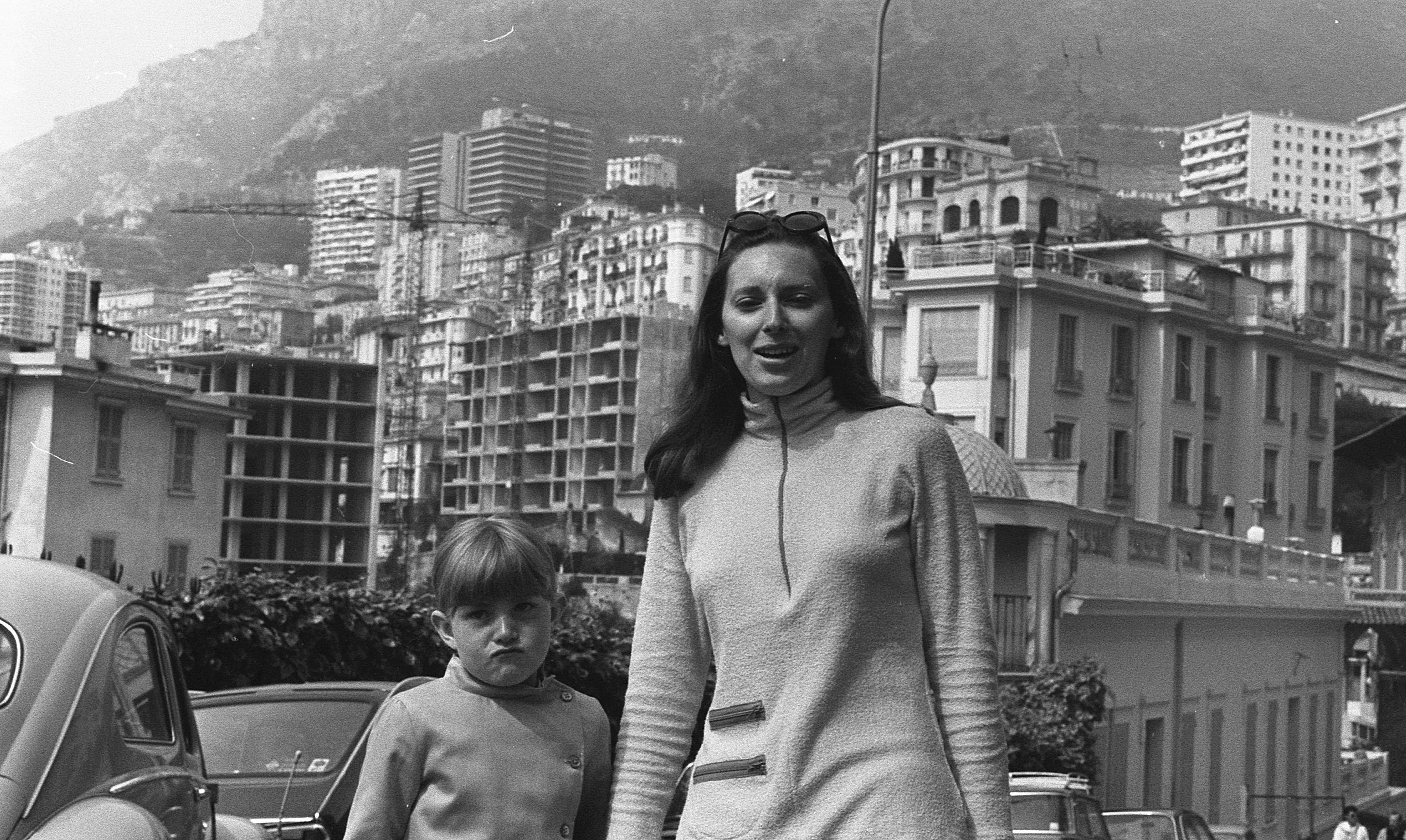
Mum and me, Monaco, 1971
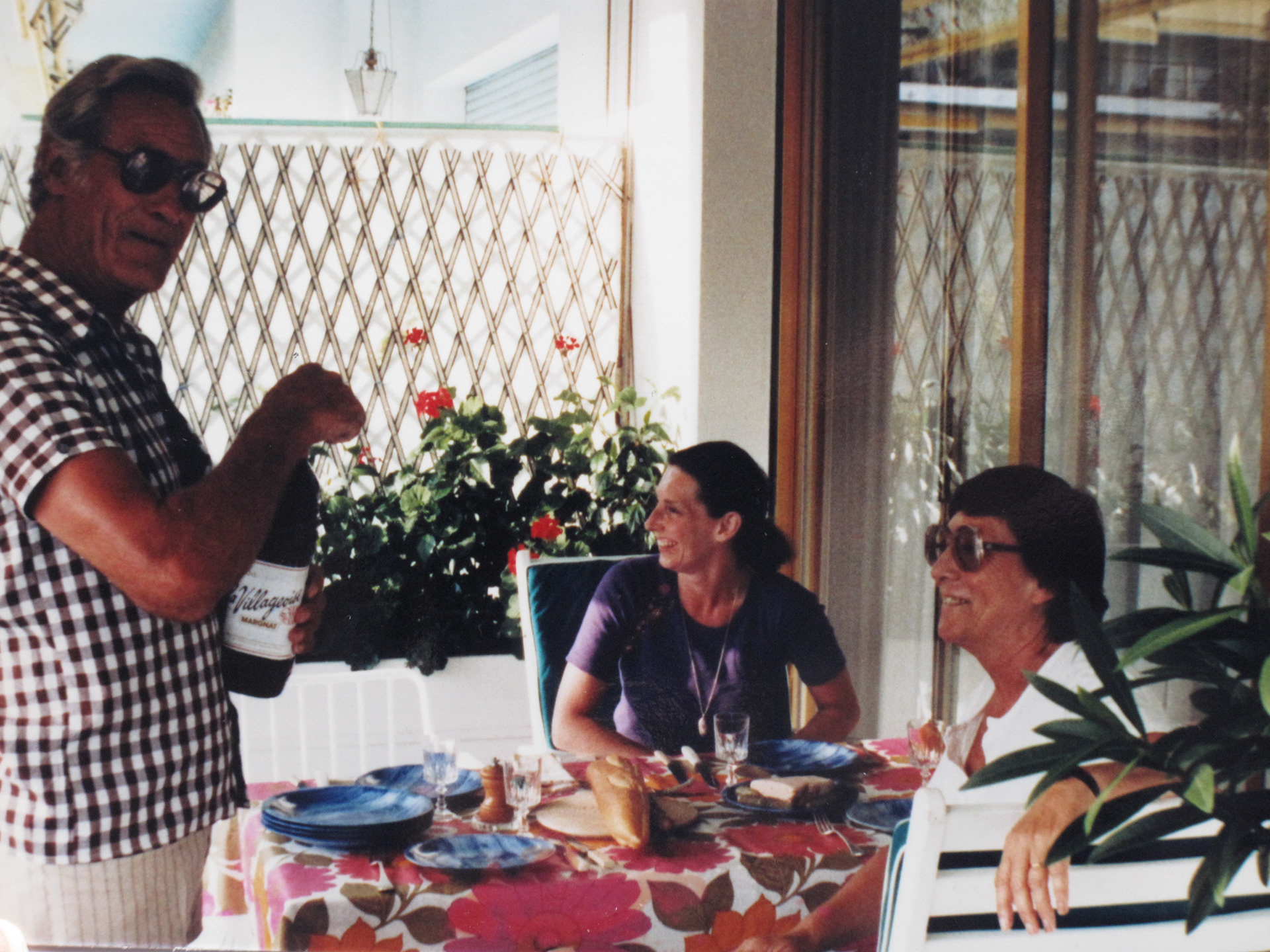
Bill, Mum and Pat, 1980s
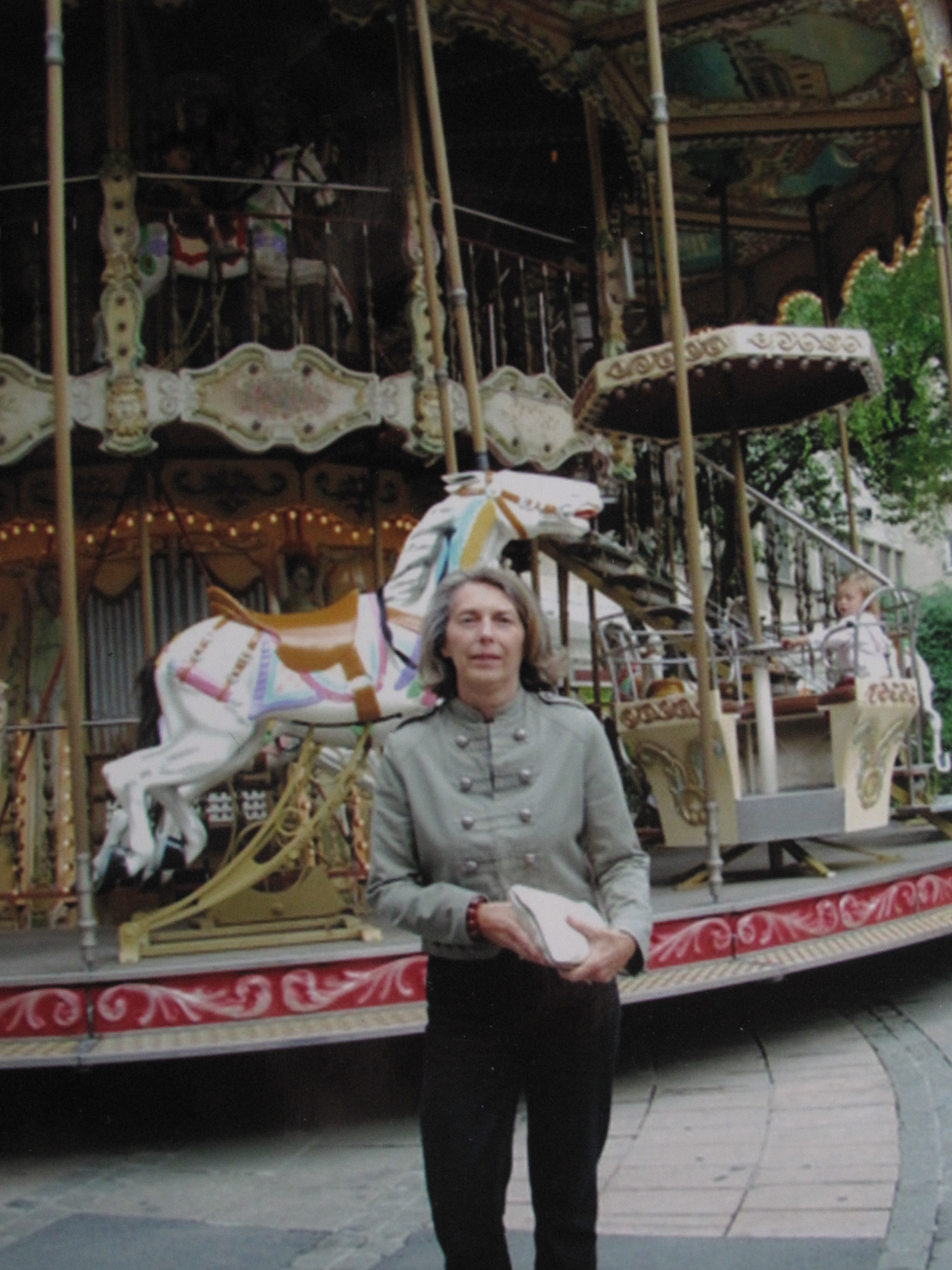
Mum in Menton
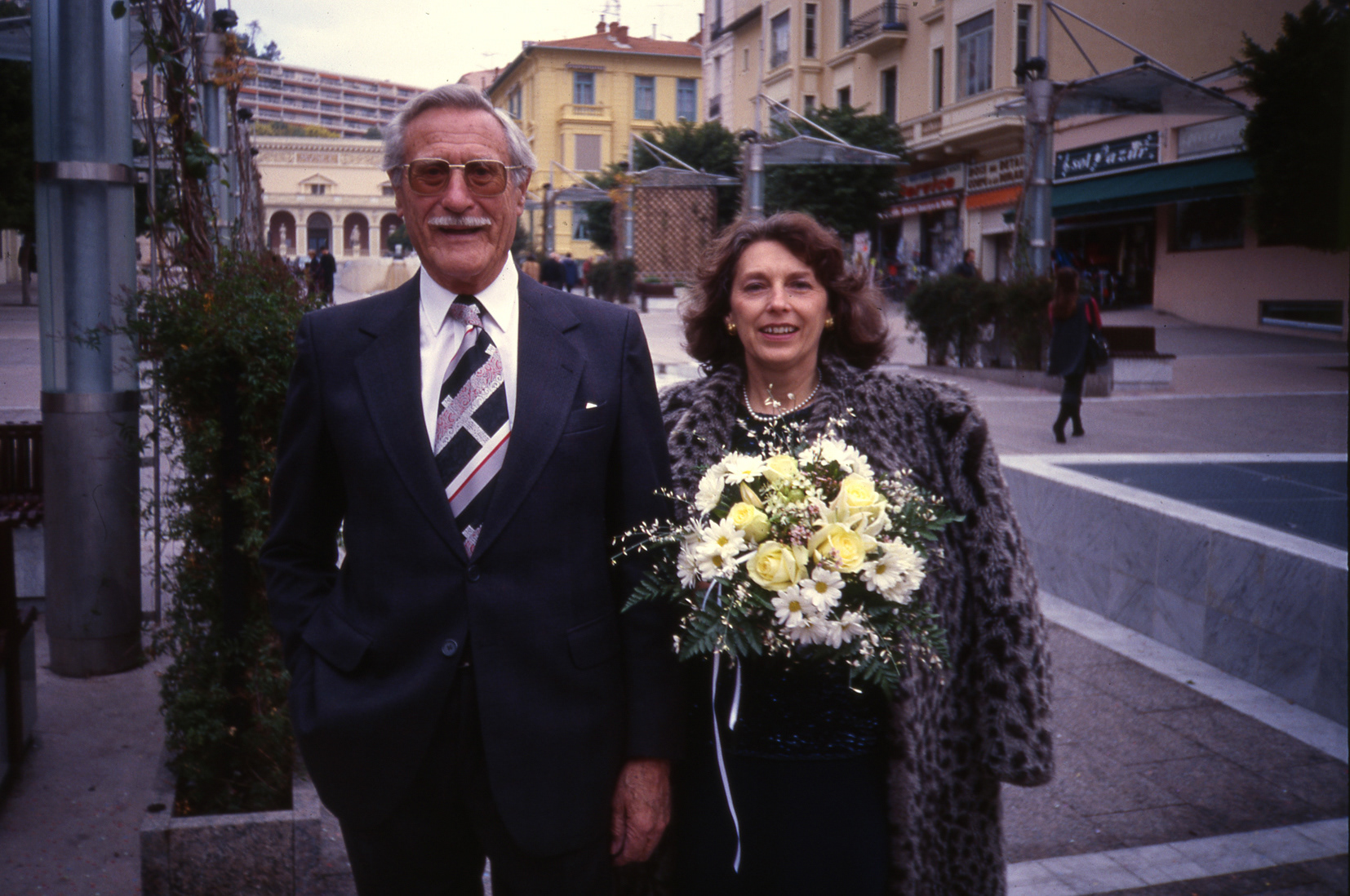
Bill and Mum on our wedding day, 1998
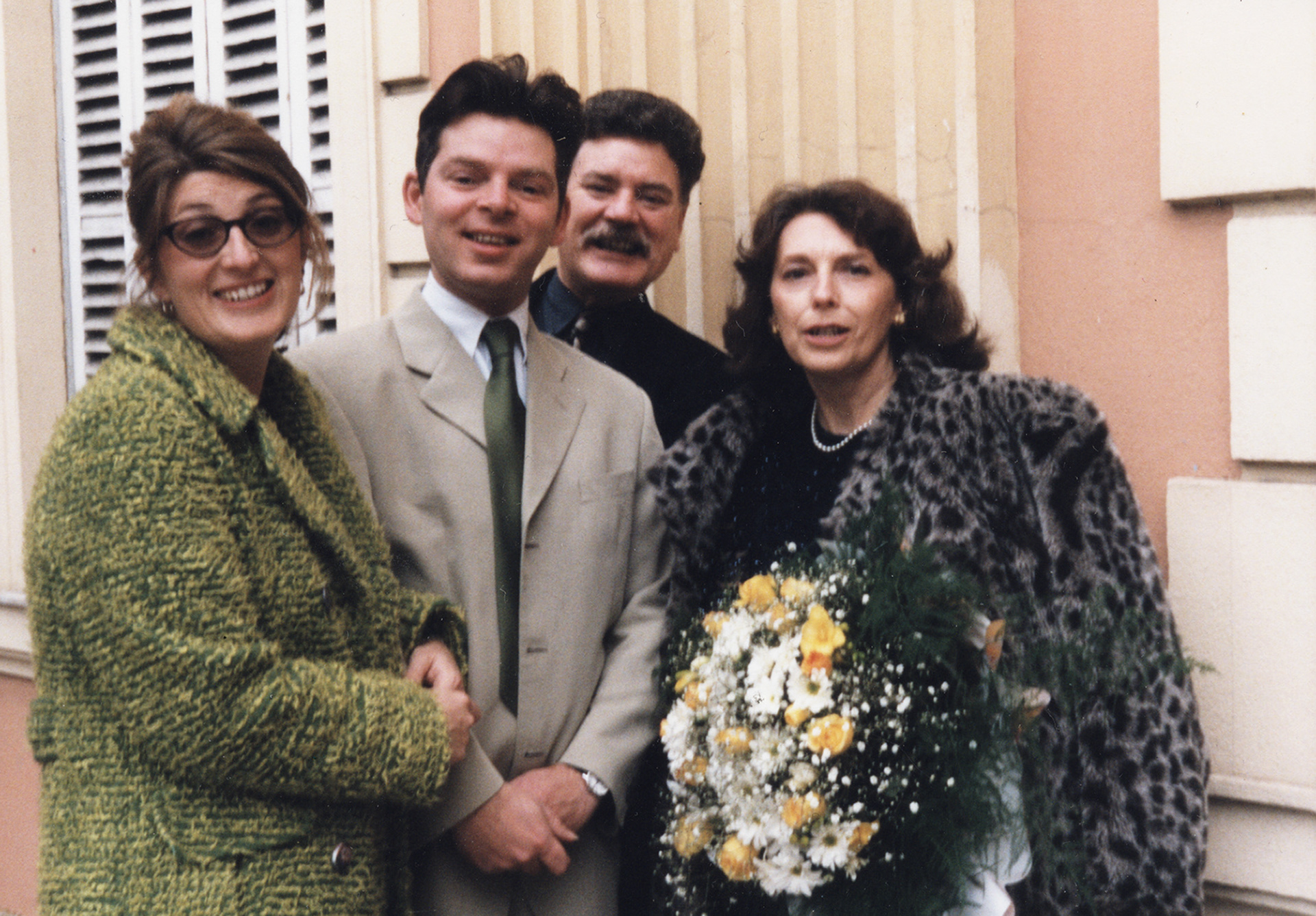
Me, David, Dad and Mum, 1998
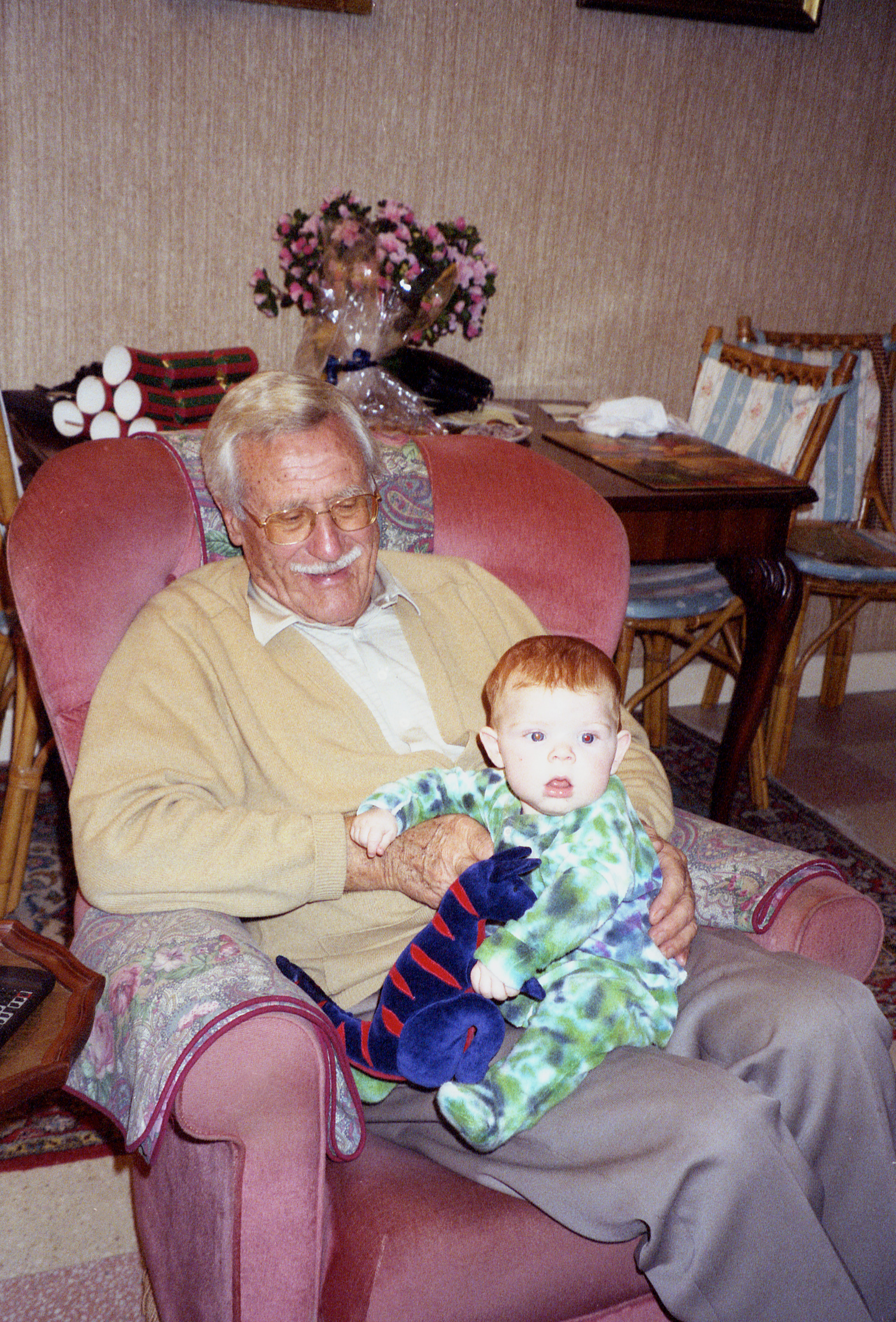
Bill and Dex, Menton, 1998
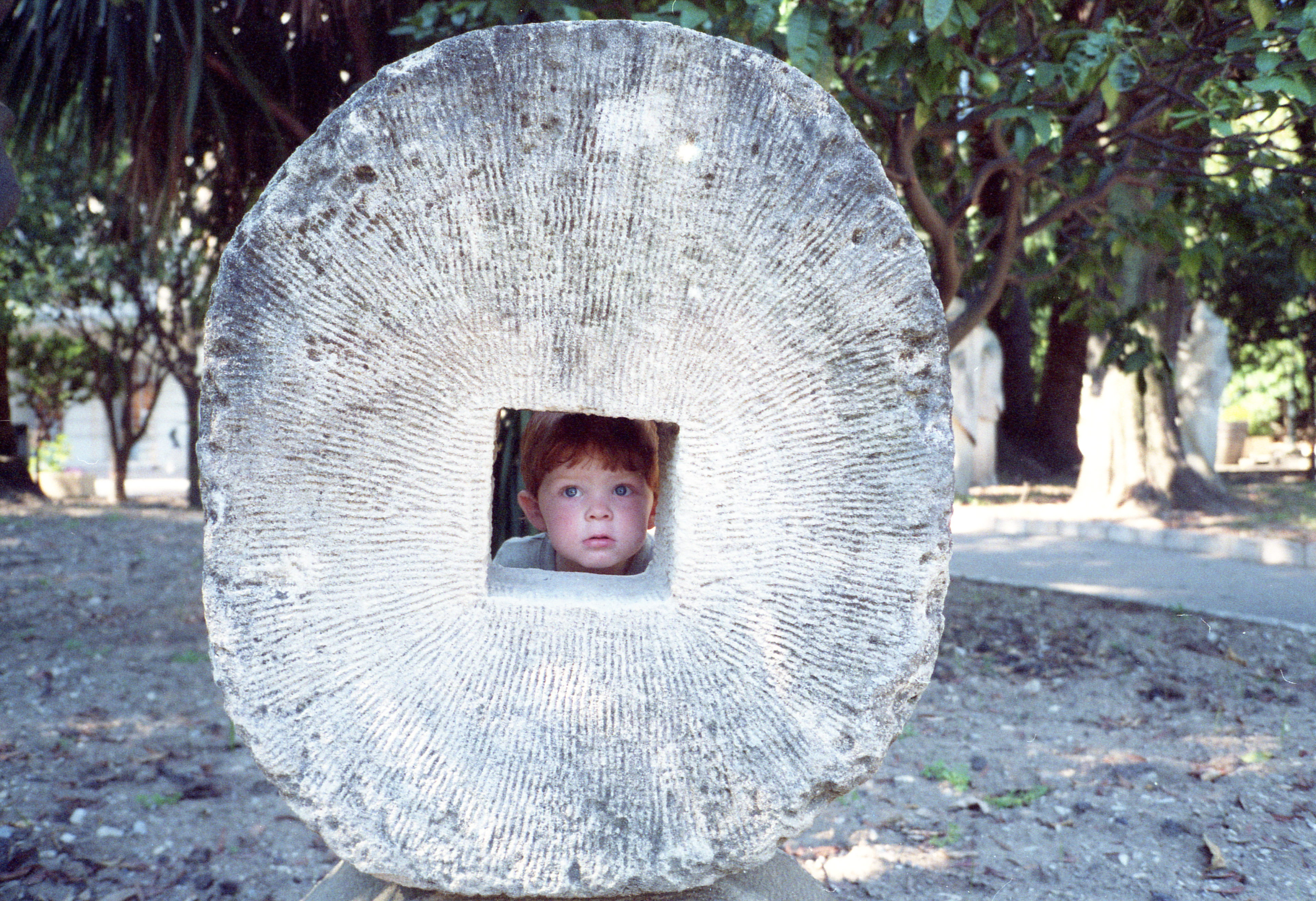
Dex, Palais Carnolès, 2002
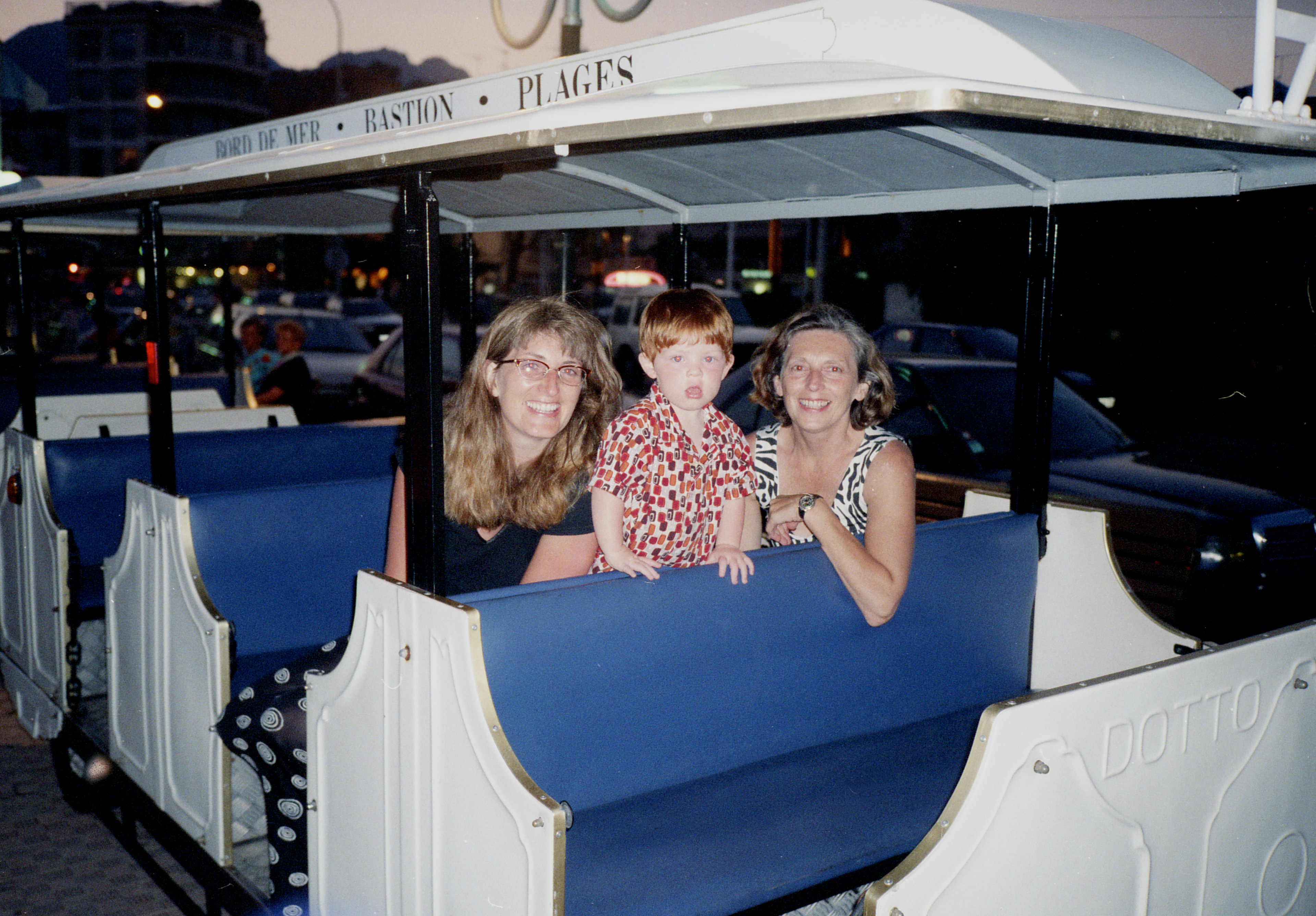
Me, Mum and Dex, Menton, 2002
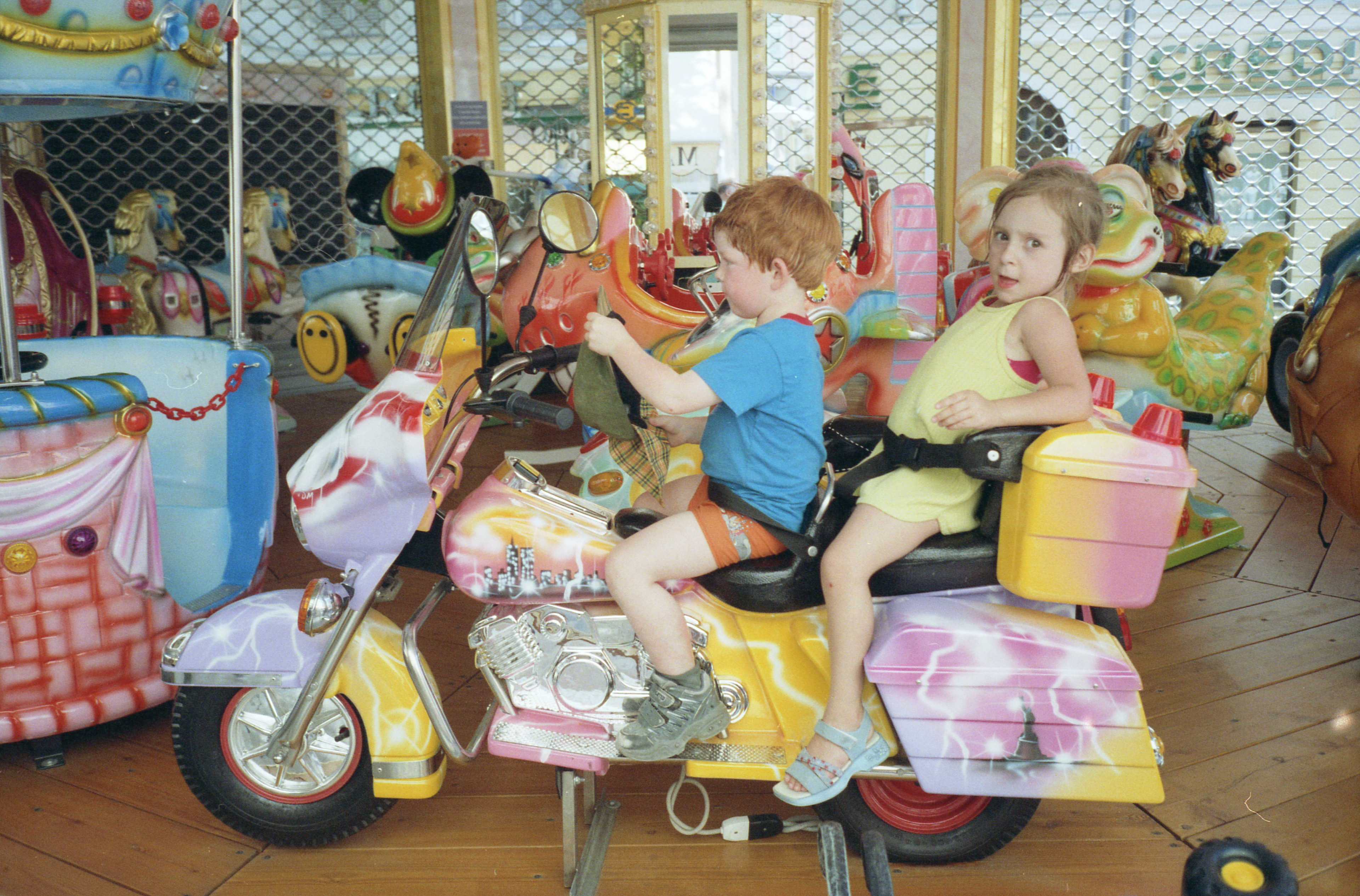
Dex and friend, 2002
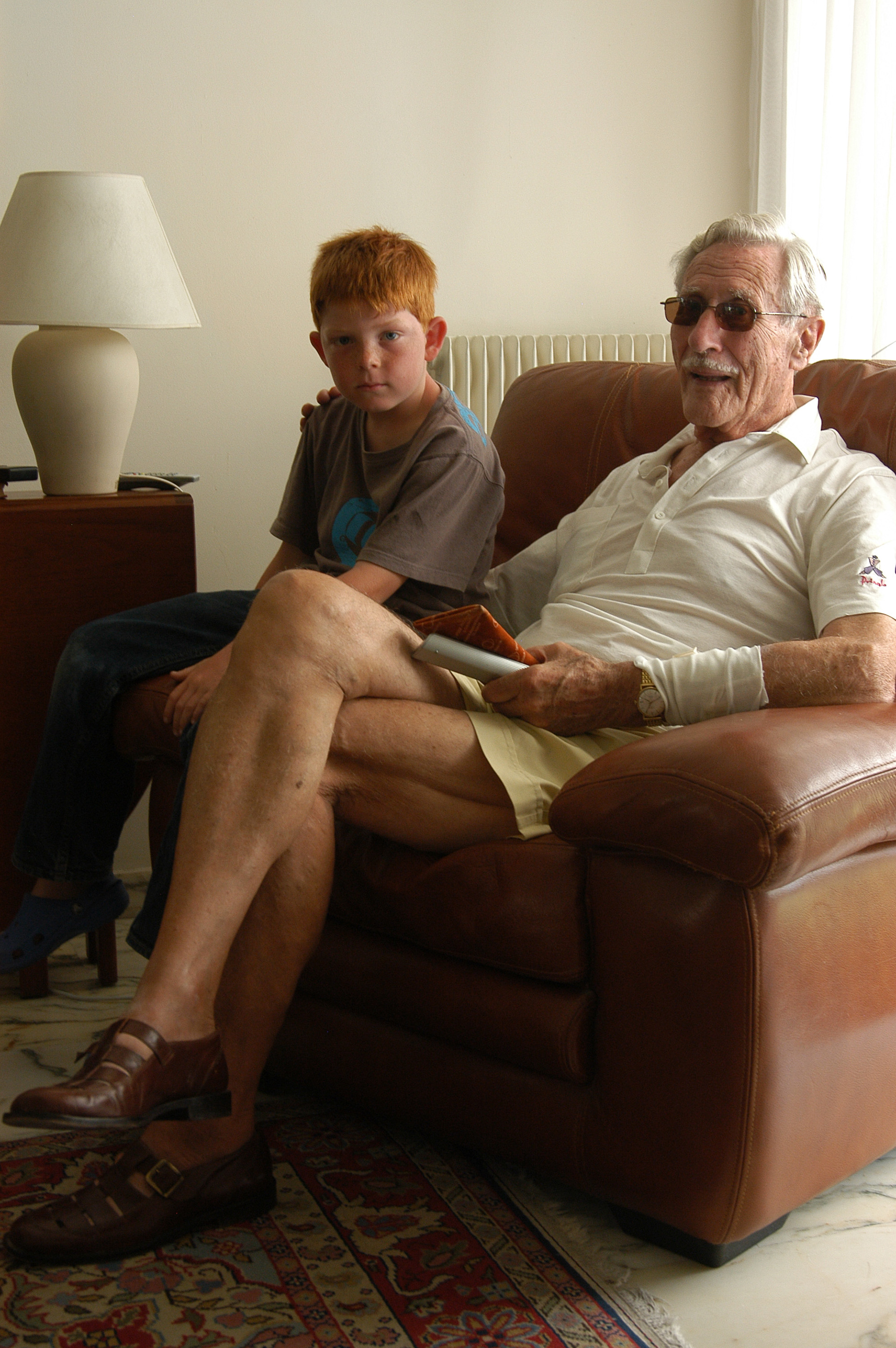
Bill and Dex, 2005
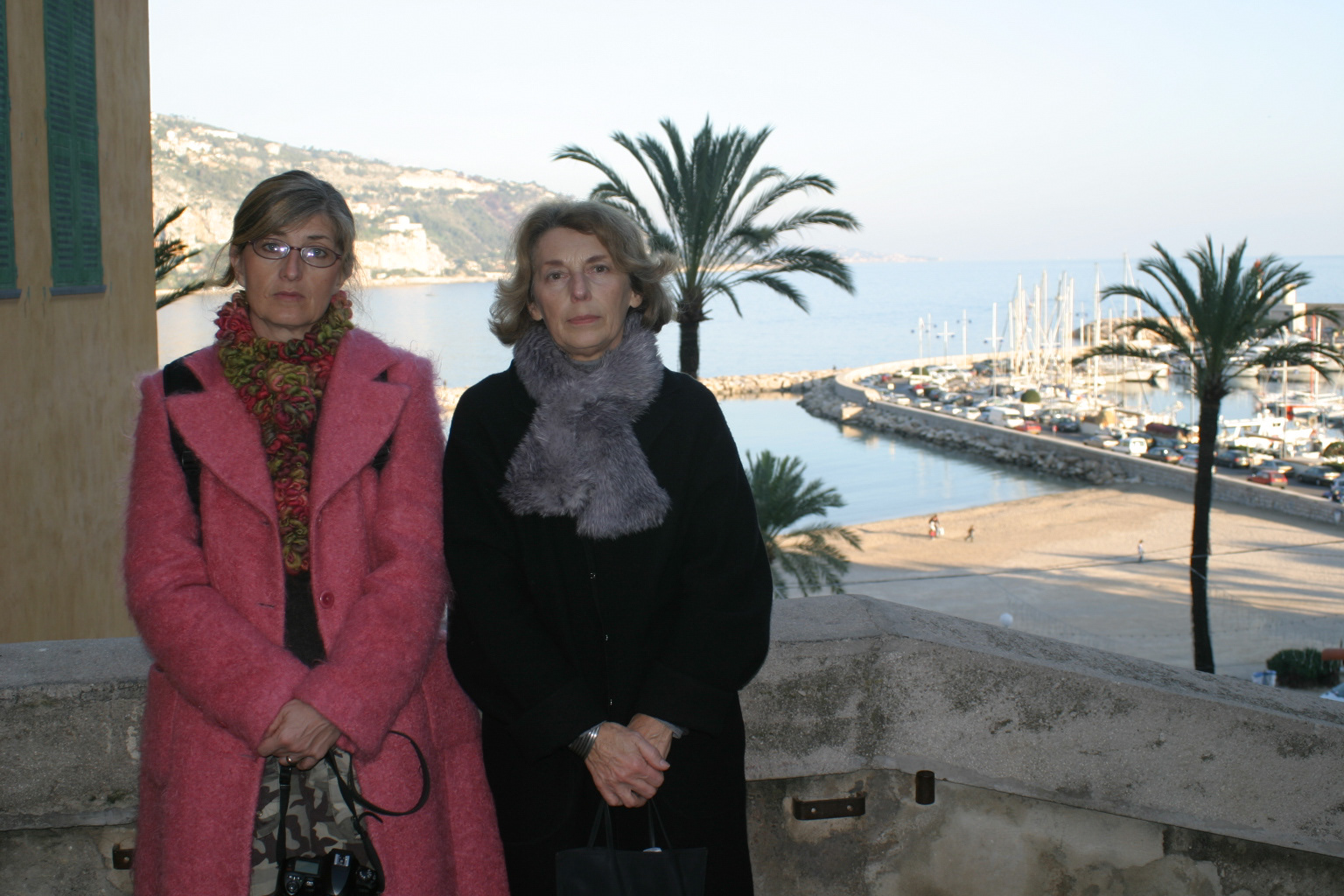
Me and Mum, 2006
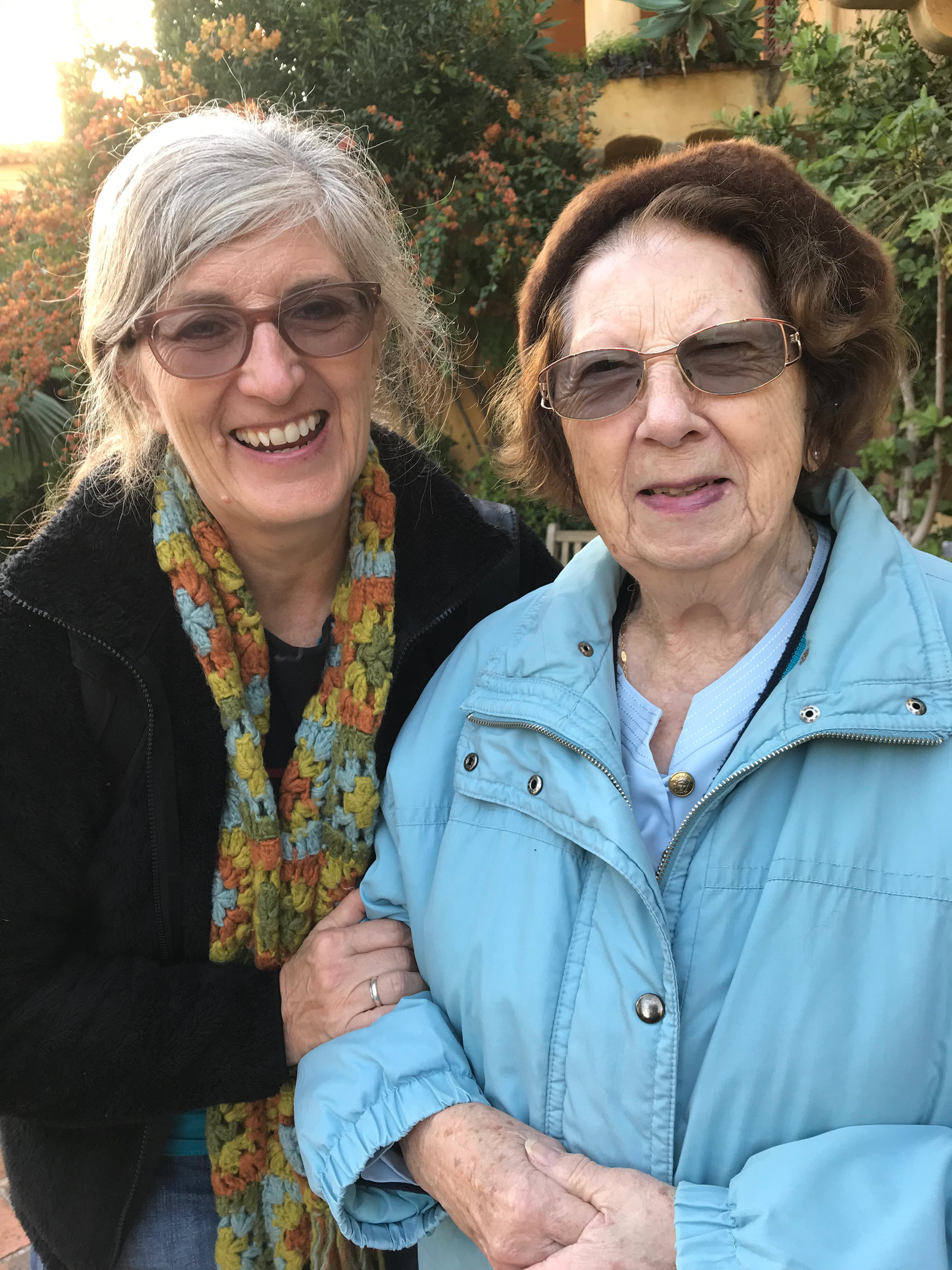
Me and Valerie, 2023
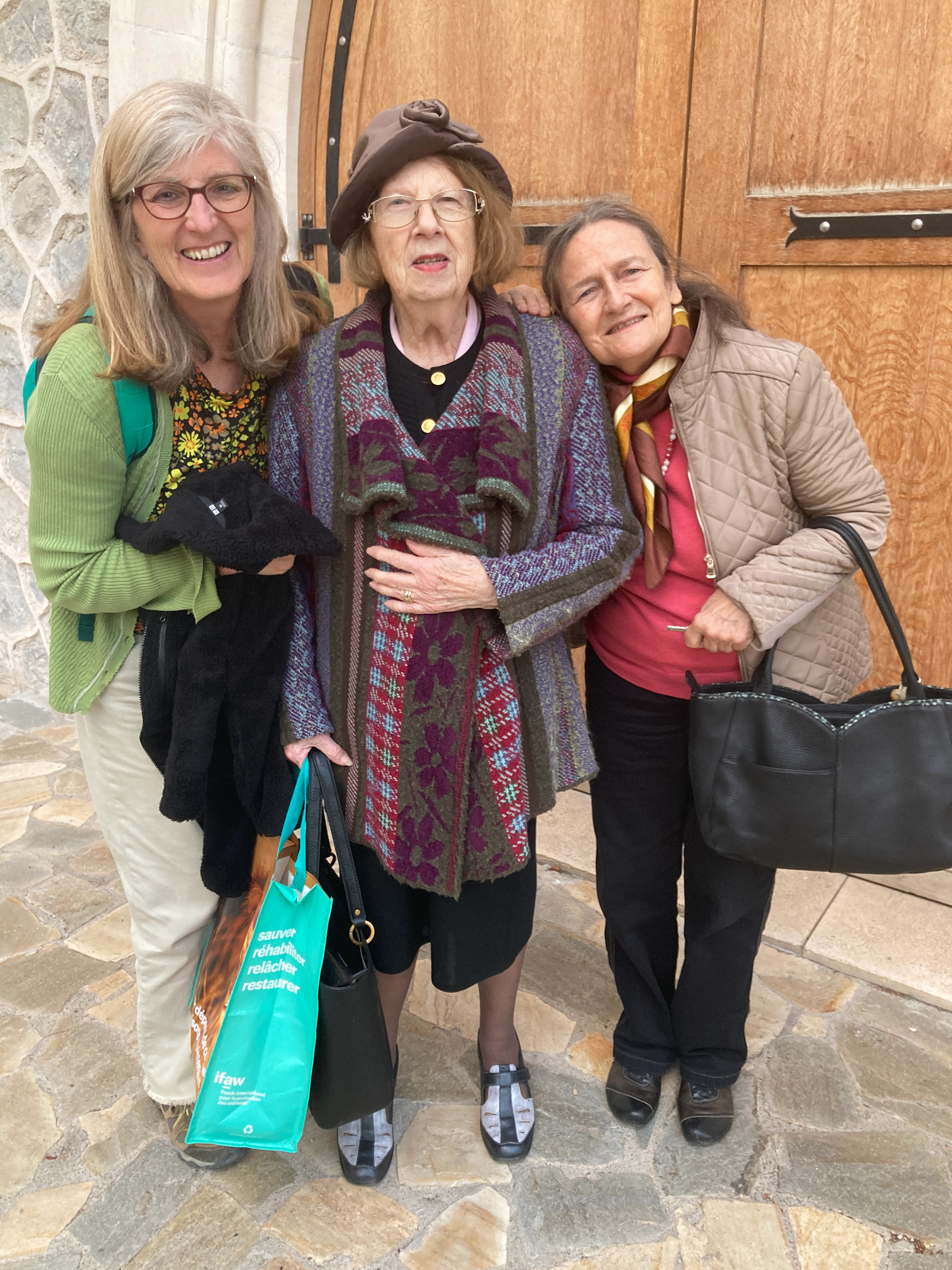
Me, Valerie and Beatrice, 2023
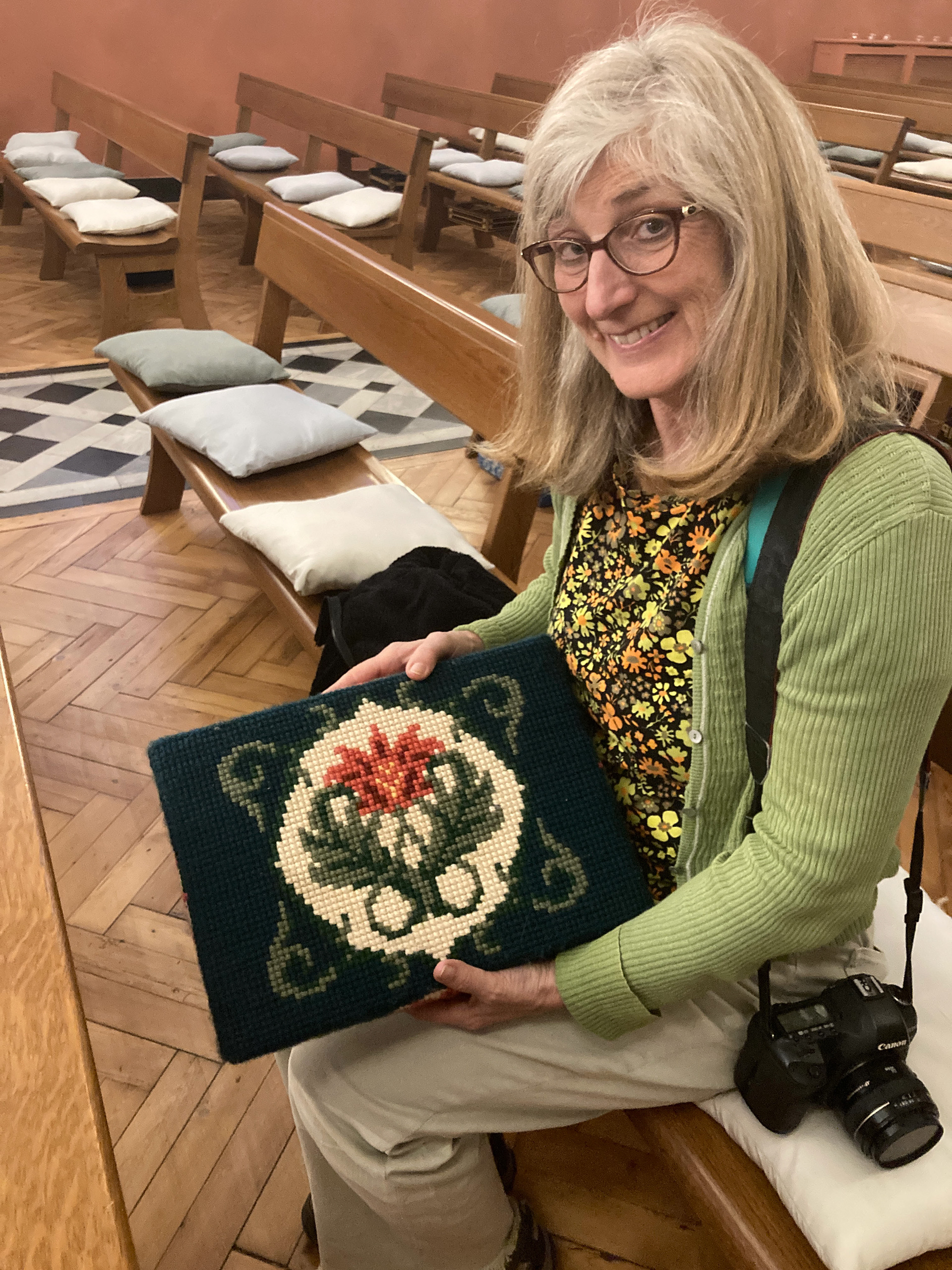
Valerie's kneeler for Mum, 2023
A Good Turn
Easter, 2010 (from David Harrison’s Journal)
Easter, 2010 (from David Harrison’s Journal)
We had popped in at the English Church on Saturday for coffee, and in the library I had spotted a little volume of Hemingway short stories that looked just right for the beach. But I’m not a member, and I’m not down in Menton often enough to join. One of the redoubtable Sainted Ladies of St. John (C of E, diocese of Europe) suggested I might like to buy one of the novels on offer on the shelves facing the desk. These were clearly being sold—rather than integrated into the library—because they were trashy, disposable holiday reads, and I attempted a delicate expression of gratitude undercut with just the right amount of disdain, hoping I might ingratiate myself on grounds of literary taste. Later, when I’d put all the cups away and emptied all the flower vases, and the library was shut, I bumped into another of the Sainted Ladies, the one who happened to hold the key, and feigned great disappointment that I had missed the library.
“Don’t tell anyone”, she said, quietly unlocking the door, “and be quick. Be sure to bring it back Tuesday or I’ll be for it”. I slipped silently in and pocketed my Hemingway.
On Tuesday we returned with our booty. We had had a bit of a clear-out for the church Jumble Sale, which we’ll miss unless there’s another volcano next week. We brought in three big bags full of our own old books, and clothes, and ceramics. Bits of Bill’s, bits of Nancy’s, bits of ours, some of Dex’s old toys that have stayed down here. Not a bad effort. I was offloading our books in the library for triage, the Hemingway still secure in my backpack, when I heard a dull pounding.
“Don’t tell anyone”, she said, quietly unlocking the door, “and be quick. Be sure to bring it back Tuesday or I’ll be for it”. I slipped silently in and pocketed my Hemingway.
On Tuesday we returned with our booty. We had had a bit of a clear-out for the church Jumble Sale, which we’ll miss unless there’s another volcano next week. We brought in three big bags full of our own old books, and clothes, and ceramics. Bits of Bill’s, bits of Nancy’s, bits of ours, some of Dex’s old toys that have stayed down here. Not a bad effort. I was offloading our books in the library for triage, the Hemingway still secure in my backpack, when I heard a dull pounding.
Outside the loo, by the kitchen, a Sainted Lady was calling through the door: “Just give it a jiggle, it’ll come eventually. It always takes a while”. The toilet door lock was stuck. Apparently, it’s a bit of a ritual. The Sainted Lady at the door told me that usually, if the door won’t open at all, the trapped Sainted Lady passes the key through the window to a Sainted Lady outside, who then comes back around and opens the door with the key from the other side of the door. I asked my Sainted Lady how long it had been like that, and she told me “as long as I can remember”. Of course that could mean forty years or about ten minutes. Once the Sainted Lady on the inside had wiggled the key wildly enough and long enough, the lock gave up and the door flung open. The Sainted Lady emerged from her confinement, beaming, but muttering something about the French. I asked one of the attending Sainted Ladies whether there might be any oil on the premises, and the throng scattered in all directions to search for anything resembling a lubricant. One of them asked whether some anointing balm would do. Eventually, an especially busy Sainted Lady approached, tentatively holding a tall bottle of pizza dressing—sunflower oil with chilli flakes. Perfect.
I dismantled the lock with my pocket knife, and, using a kebab skewer dipped in the pizza dressing, I made a number of small yet ostentatiously handy gestures. Two lines of Sainted Ladies stood by—on the left, watching in helpless wonder; on the right, impatiently hoping to use the loo. Soon it was all back in place, and I was able to demonstrate the smooth and aromatic turning action of the lock to audible gasps from the one flank and sighs of relief from the other. The toilet door at the English Church was restored.
My benefaction has been rewarded. Word of my deed reached the custodians of the library almost immediately and I received a visit from the holder of the key. Special dispensation had been made, and it would be fine for me to hang on to Men without Women until my return in the summer.
I dismantled the lock with my pocket knife, and, using a kebab skewer dipped in the pizza dressing, I made a number of small yet ostentatiously handy gestures. Two lines of Sainted Ladies stood by—on the left, watching in helpless wonder; on the right, impatiently hoping to use the loo. Soon it was all back in place, and I was able to demonstrate the smooth and aromatic turning action of the lock to audible gasps from the one flank and sighs of relief from the other. The toilet door at the English Church was restored.
My benefaction has been rewarded. Word of my deed reached the custodians of the library almost immediately and I received a visit from the holder of the key. Special dispensation had been made, and it would be fine for me to hang on to Men without Women until my return in the summer.
Read more of David’s journal at the Museum of Song.